Compare compact and large DC axial fans by voltage, size, speed, noise, and duty to specify a better fit for industrial equipment.
One fan cannot solve every heat-management problem. Importers and equipment manufacturers may need concentrated cooling inside a compact enclosure, quieter airflow across electronics, or higher-volume ventilation for a large space. Comparing voltage, dimensions, speed, noise, bearing design, and operating environment makes product selection more reliable.
Three Footprints for Different Airflow Tasks
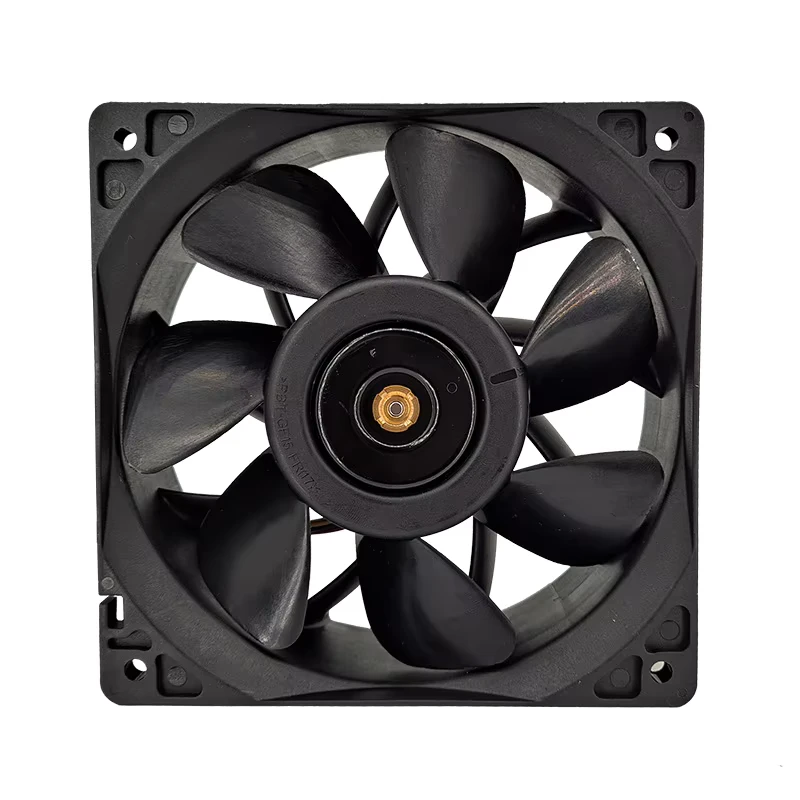
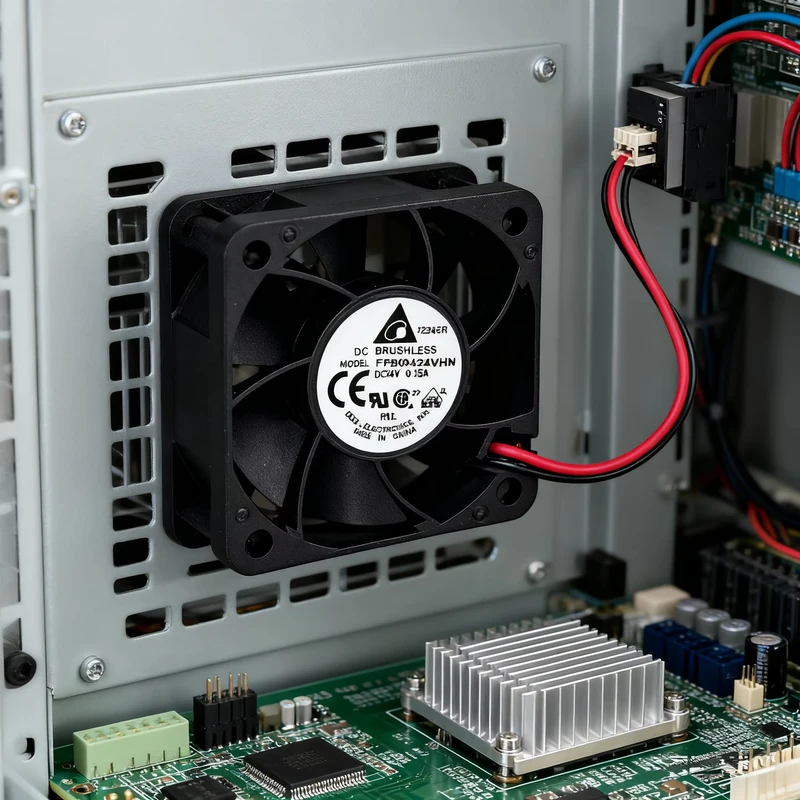
At the compact end, the compact 24 V fan measures 40 × 40 × 28 mm and runs at 9,500 RPM. Its ball-bearing construction, 32 g weight, and 45 dBA rated noise level make it a practical candidate for focused cooling in space-limited industrial equipment.
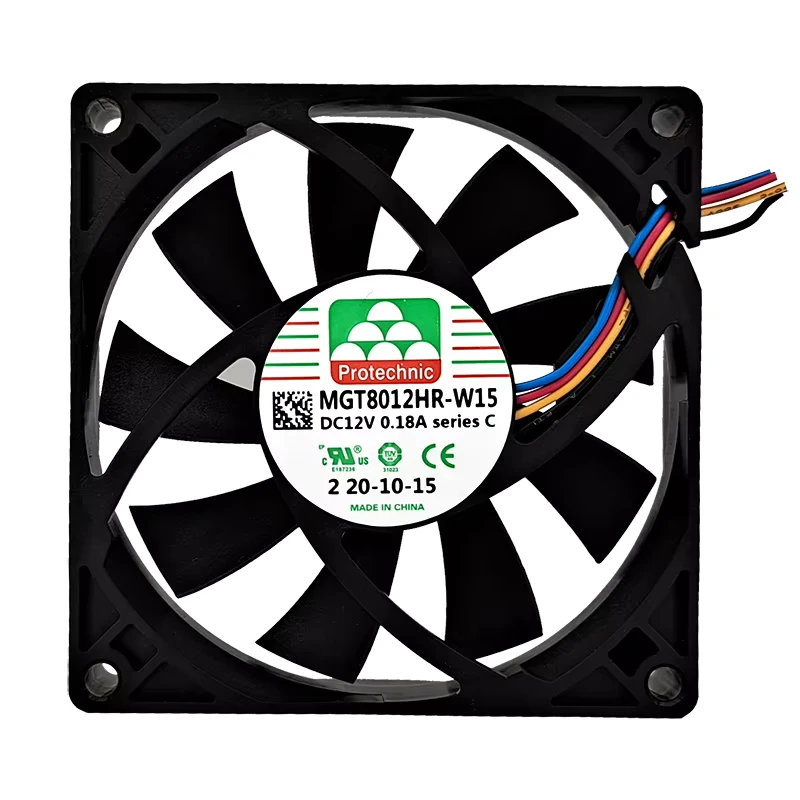
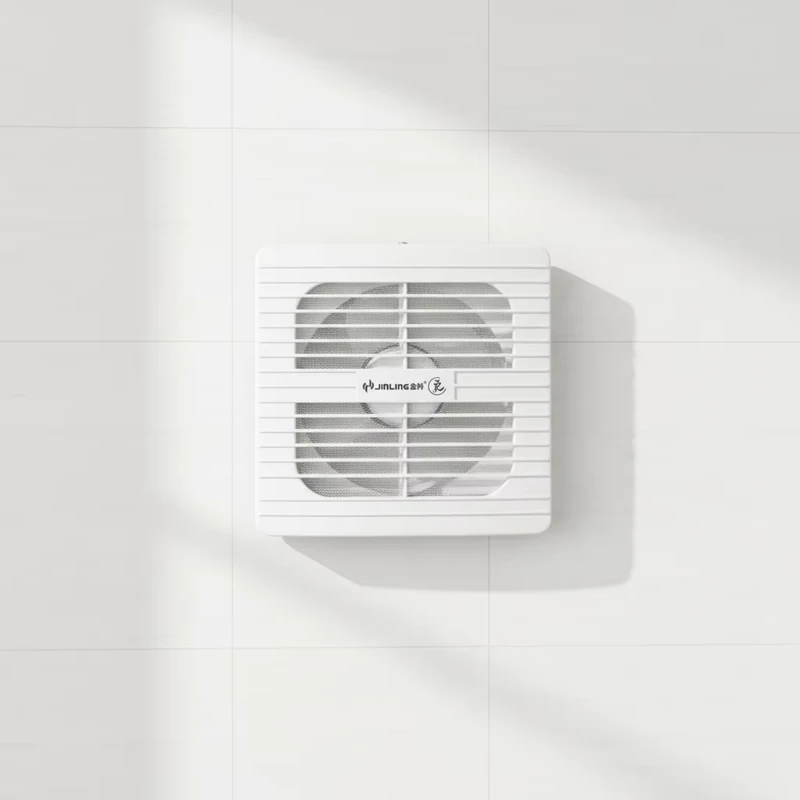
Where a wider, slimmer format and lower acoustic output are preferred, the slim 12 V fan offers an 80 × 80 × 15 mm profile, 3,000 RPM speed, ball bearings, and a stated noise level of 32.6 dBA. It is designed for industrial equipment requiring steady axial airflow without a deep installation footprint.
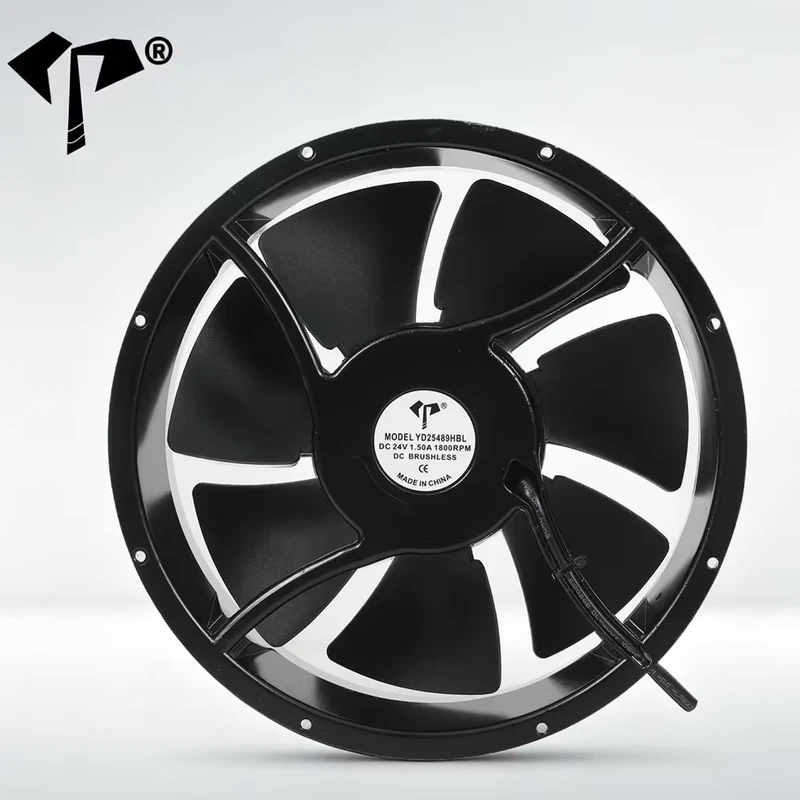
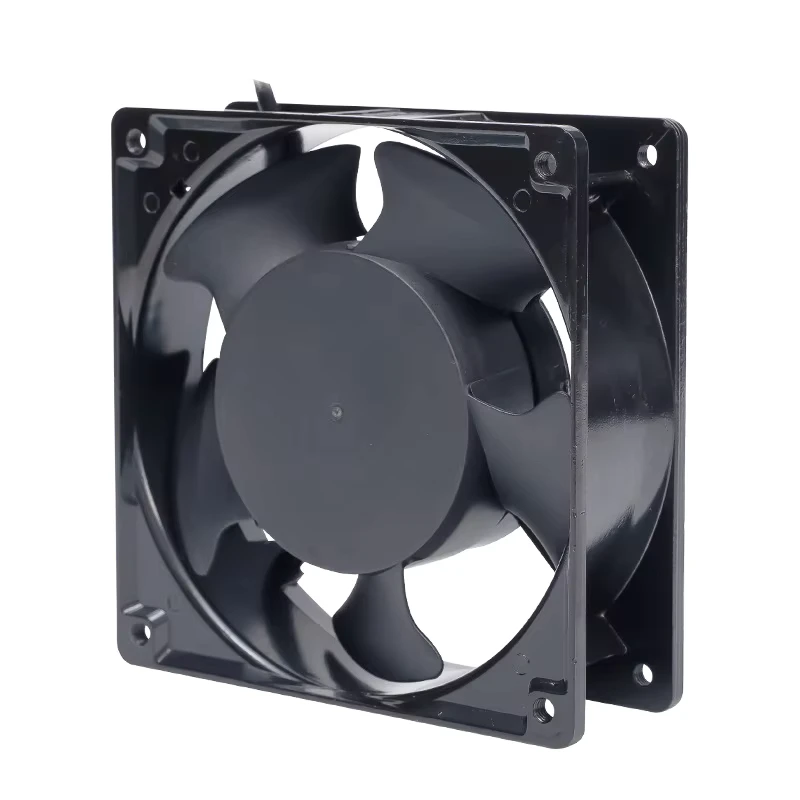
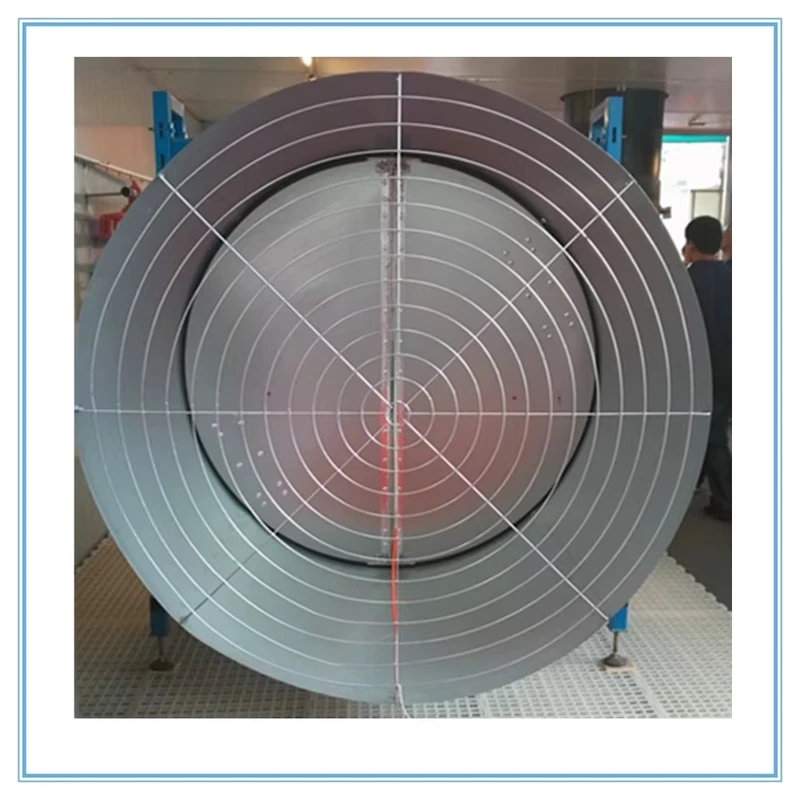
For larger ventilation duties, the large 254 mm fan uses a round duct-axial format measuring 254 × 254 × 89 mm. Available specifications include 24 V or 48 V DC configurations and 1,800 or 2,100 RPM variants. An aluminum-alloy structure, plastic blades, ball bearings, and a brushless DC motor support demanding applications such as large enclosures and poultry-farm ventilation. The stated service life is at least 50,000 hours under a 25°C environment.
Specify Before You Order
Fan speed alone does not determine real installed airflow. Before placing a purchase order, confirm voltage, operating temperature, airflow resistance, mounting space, noise target, connection method, packaging, and required documentation. OEM and ODM buyers can review the broader DC exhaust fan range, request configuration details, and discuss samples or volume requirements for their next sourcing project.