Compare DC axial, inline duct, and window-mounted exhaust fans to build a practical ventilation offer for OEM and distribution markets.
Ventilation buyers do not select fans by airflow alone. Installation position, power supply, space limitations, noise expectations, and maintenance access all shape the final specification. For importers and brands, offering products for several installation environments can address broader demand without treating every project as identical.
Different formats for different airflow paths
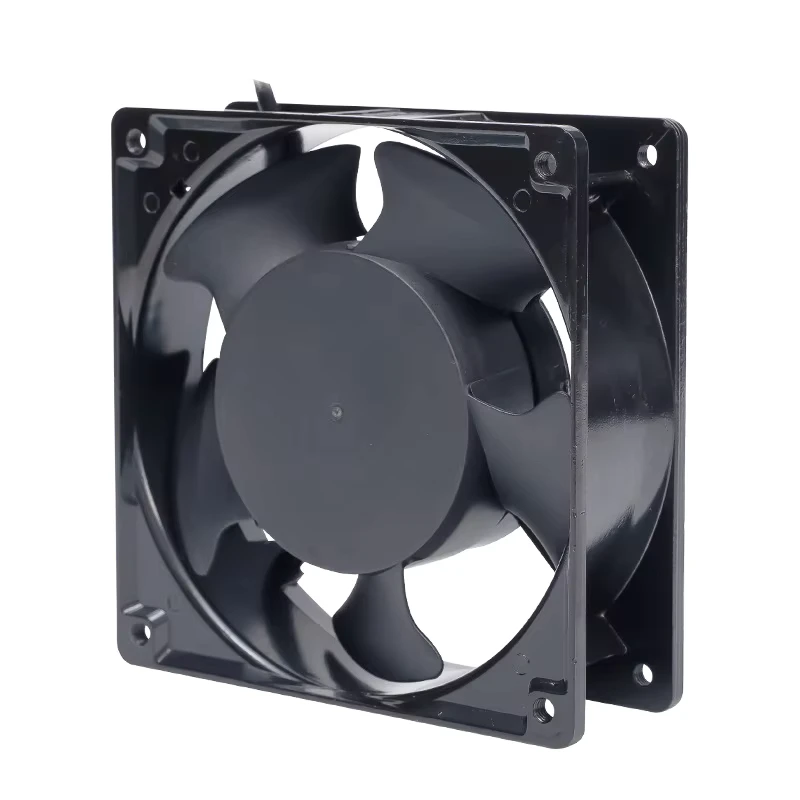
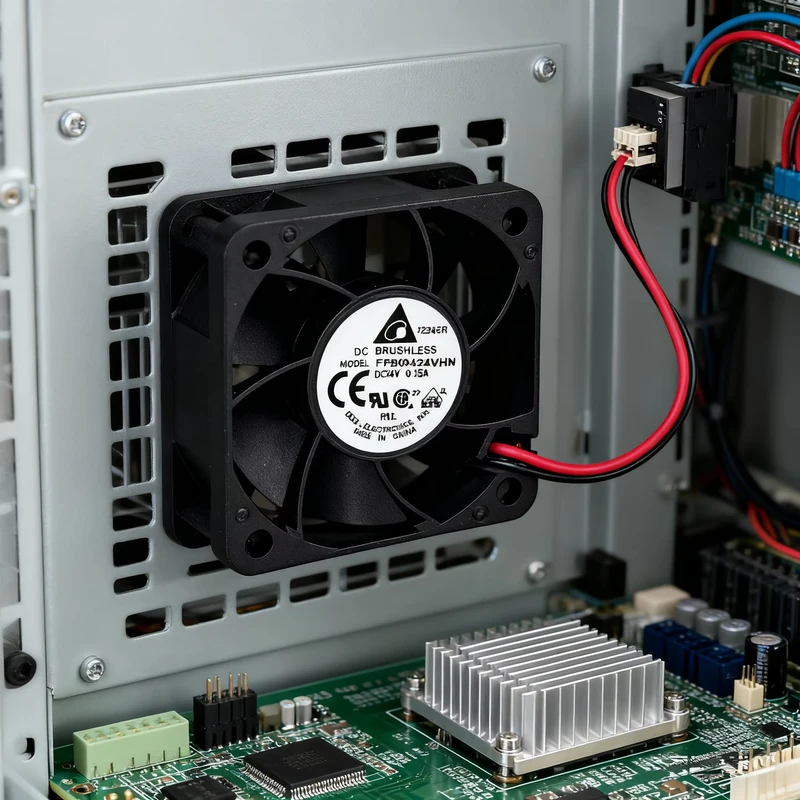
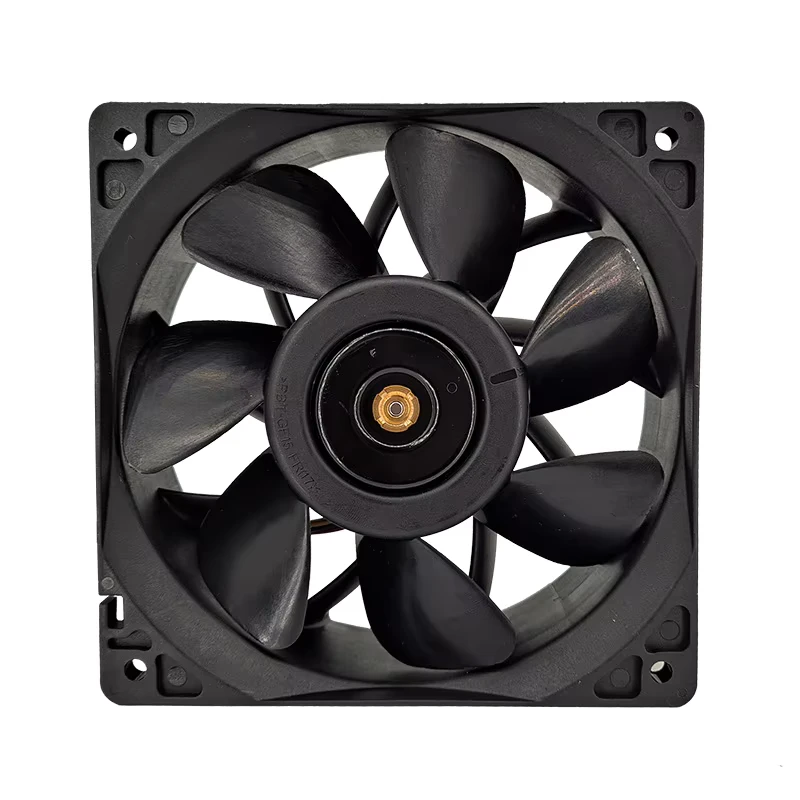
Compact equipment requires concentrated cooling in a limited footprint. The 12V DC axial fan measures 120 × 120 × 38 mm and uses a ball-bearing structure. Its 6000 RPM speed and rated 210.38 CFM airflow make it relevant to electrical enclosures, machinery, and other applications where heat must be removed quickly. The listed noise level is 64 dBA.
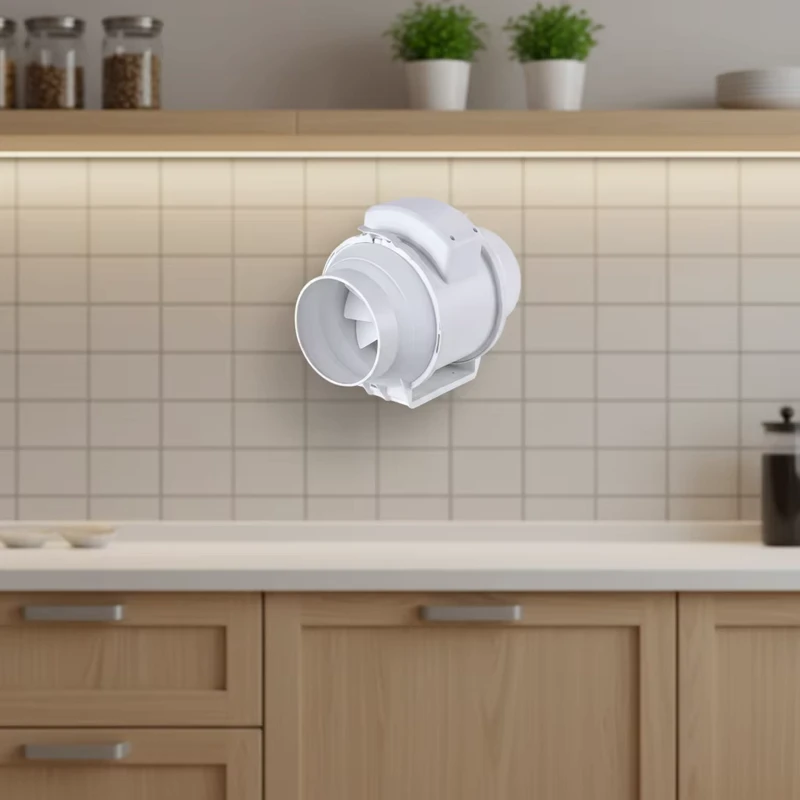
When air must travel through ductwork, configuration becomes more important than a simple open-air rating. The 4-inch inline duct fan uses a plastic housing and mixed-flow design. Its two-speed operation gives distributors a practical option for ventilation systems requiring adjustable operation, while 220V/240V compatibility suits many international markets.
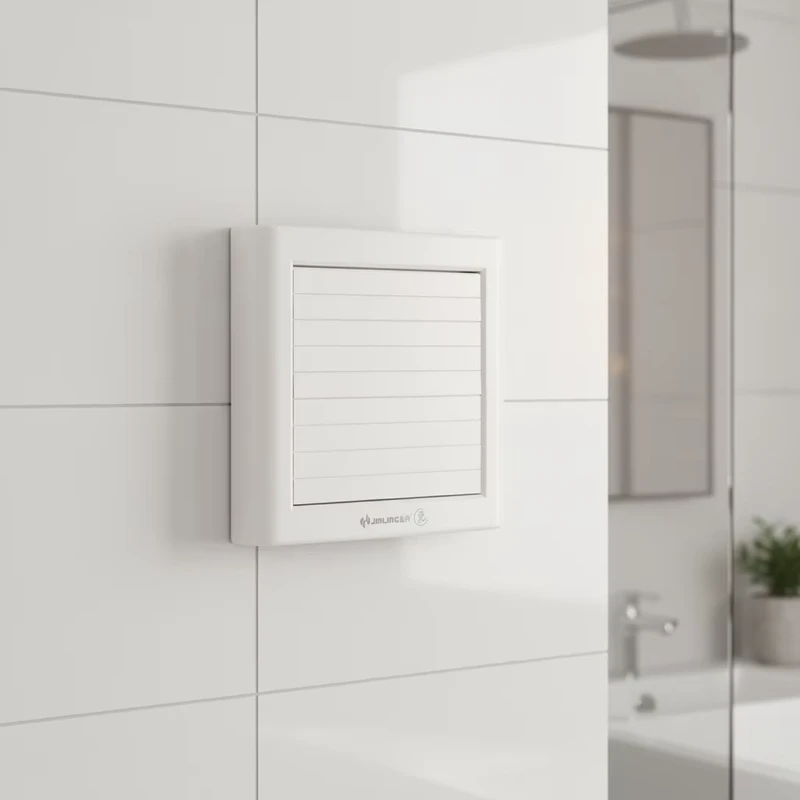
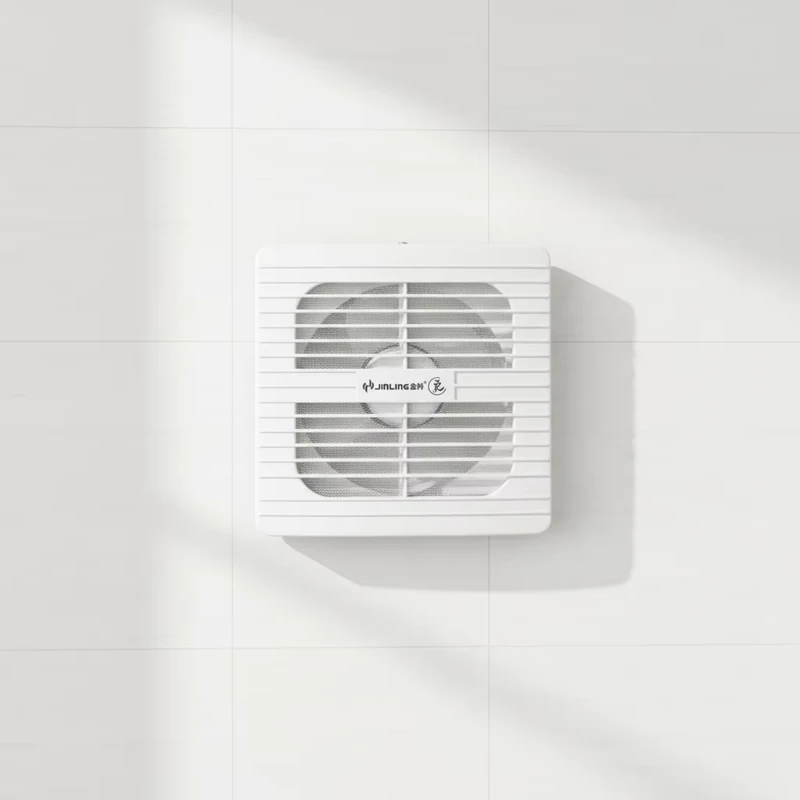
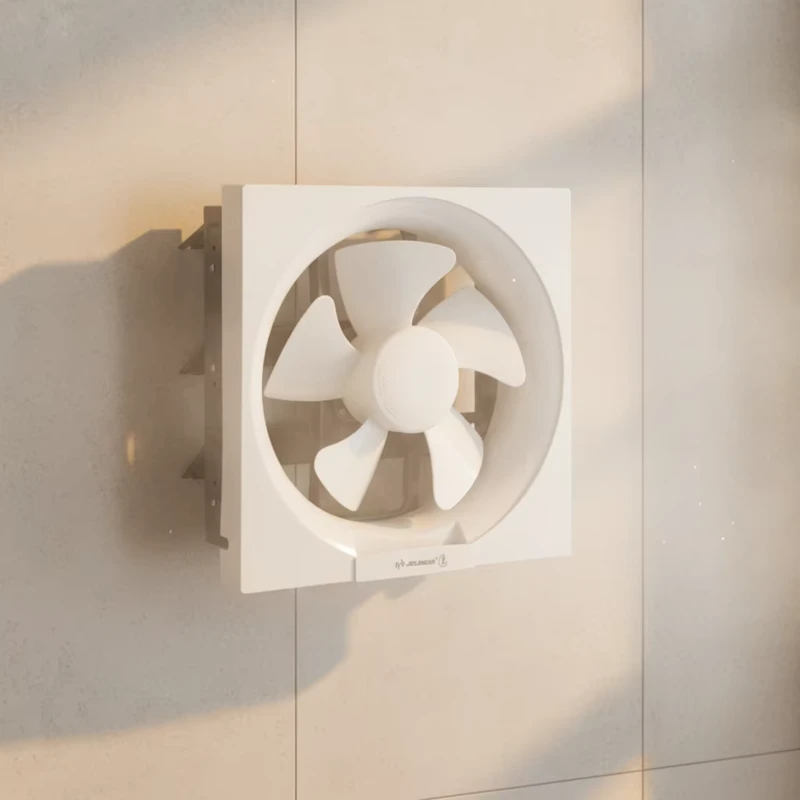
For rooms without a dedicated duct network, a window exhaust fan provides a direct ventilation route. This 220V/50Hz model features plastic blades, a shaded-pole motor, 2050 RPM operation, and an electrical front shutter. Its compact window-mounted format is suitable for offices, hotels, and similar indoor spaces.
Build a range around real installation needs
These three formats support different purchasing conversations: component cooling, ducted air movement, and room exhaust. Buyers should confirm voltage, dimensions, mounting conditions, target airflow, acceptable noise, and required customization before ordering. OEM and ODM support can also help align appearance, labeling, packaging, and technical details with a specific market.
Explore our exhaust fan range or contact us to discuss specifications, sourcing requirements, and suitable products for your next distribution or equipment project.